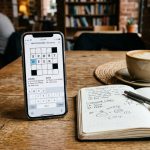
Easy crosswords are supposed to feel welcoming, but plenty of new solvers still get stuck for the same reasons: they ignore clue grammar, fill too early, or miss a basic abbreviation signal. A few clue patterns solve a lot of that. Once you see them, the board on Easy Crossword Puzzles feels much easier to read.
The clue tells you more than the trivia does
Plural clues usually want plural answers. Past-tense clues usually want past-tense answers. Question marks often signal wordplay or looseness. That simple check cuts out a surprising amount of confusion.
Crossings are your real safety net
Even if you are unsure about a clue, crossings keep you from floating too far off course. One confirmed letter can narrow the answer much more than more staring often does.
Why easy grids still teach useful habits
The basic solving muscle is the same one tournament solvers use at a higher level, which is part of why the broader crossword world still pays attention to events like ACPT.
What to do on the next grid
Before you chase obscure knowledge, read the clue as grammar. That one pause is often enough to make an easy puzzle feel much more cooperative.
- Play on Easy Crossword Puzzles
- Find more crossword posts on Easy Crossword Puzzles
- Visit the American Crossword Puzzle Tournament
- Read Smithsonian’s crossword history
Easy crosswords become easier for the right reason when you learn the clue patterns behind them. The puzzle stops looking random and starts feeling readable.